

Millions of people get cataract surgery every year. It's known for making vision better and being very safe. But, many patients face issues after surgery, from small annoyances to serious problems. It's important to know about these issues to keep your eyes healthy and avoid vision problems.
Cataract surgery is very safe and works well over 98% of the time. But, because eyes are different, results can vary. Knowing what to watch for after surgery can protect your vision. This guide will cover the unexpected issues that might happen. It aims to help you avoid these problems and recover well.
Key Takeaways
- Cataract surgery is highly successful, but not without possible complications.
- Postoperative issues can range from mild discomfort to serious, vision-threatening conditions.
- Being informed about cataract surgery side effects can contribute to better eye health.
- Understanding the signs of common problems after cataract surgery allows for prompt intervention.
- Maintaining communication with your ophthalmologist post-surgery is key to managing potential vision problems.

Understanding Cataract Surgery and Its Prevalence
Every year, millions of people undergo cataract surgeries to fix the clouding of the lens in their eyes. This surgery not only improves vision but also boosts life quality. It's one of the most common surgeries worldwide, known for being safe and effective.
A key part of this surgery is putting in an intraocular lens (IOL). This lens helps bring back clear vision. It's a big reason why cataract patients see such great results.
- Incredible Success Rate: Cataract surgery has a success rate over 98% in most cases. It's considered one of the most dependable surgeries today.
- Prevalence: As people get older, cataracts become more common. They're a top cause of vision loss in older adults.
- The Role of IOLs: Advances in IOL design and materials have greatly improved cataract surgery success.
If you or someone you know is getting ready for cataract surgery, knowing about intraocular lenses and the surgery's success can ease worries. Cataract surgery has helped many people get their vision back, independence, and better life quality.
Immediate Post-Operative Complications
Recovering from cataract surgery usually goes smoothly, but sometimes, you might face immediate complications. These issues can slow down your recovery and make you uncomfortable. Knowing about these complications helps you spot and deal with symptoms early, keeping your recovery on track.
Eye Pressure Issues Following Cataract Surgery
One common issue after surgery is higher eye pressure, known as ocular hypertension. This can cause eye pain and is a worry because it might harm the optic nerve. If you feel headaches or see things differently, call your doctor right away.
Risk of Infection Inside the Eye
Every surgeon and patient worries about infection after surgery. An eye infection, or endophthalmitis, is rare but serious. To lower this risk, follow all care instructions from your surgeon, including using antibiotic eye drops.
Swelling and Discomfort Around the Operated Eye
Swelling and some discomfort right after surgery are normal. But too much swelling could mean a bad reaction or too much pressure. Watch your symptoms and talk to your doctor to manage these issues well.
Cataract surgery might cause some immediate complications, but knowing the symptoms helps your recovery. Quick action is key to stop serious problems. Always go to your follow-up appointments to check your eye health after surgery.
Common Problems After Cataract Surgery
After cataract surgery, some people notice symptoms that are common. Knowing about these issues helps you spot them early and get the right treatment.
Blurred Vision: Many people see blurred vision after surgery. This might be from inflammation or the new lens not fitting perfectly. Usually, it gets better in a few days to weeks.
Dry Eyes: Dry eyes are common after surgery. The discomfort will lessen as the eye heals. Using eye drops can help during recovery.
Eye Pain: Some eye pain or discomfort is normal after surgery. If it doesn't go away or gets worse, see your doctor. This could mean an infection or other problems.
Discharge from the Eye: You might see a bit of discharge from the eye. But if it's red or painful, get medical help fast. These could be signs of an infection.
| Complication | Symptoms | Recommended Action |
|---|---|---|
| Blurred Vision | Visual distortion or cloudiness | Usually resolves on its own; consult a doctor if persistent |
| Dry Eyes | Itchy, scratchy sensation; redness | Use prescribed eye drops; avoid dry, dusty environments |
| Eye Pain | Mild to severe discomfort | Normal to a degree; seek medical advice if severe or worsening |
| Discharge from Eye | White or yellow fluid secretion | Consult healthcare provider immediately if accompanied by pain or redness |
Knowing about common complications of cataract surgery helps you handle your recovery better. Always ask your ophthalmologist for advice on any issues after surgery.
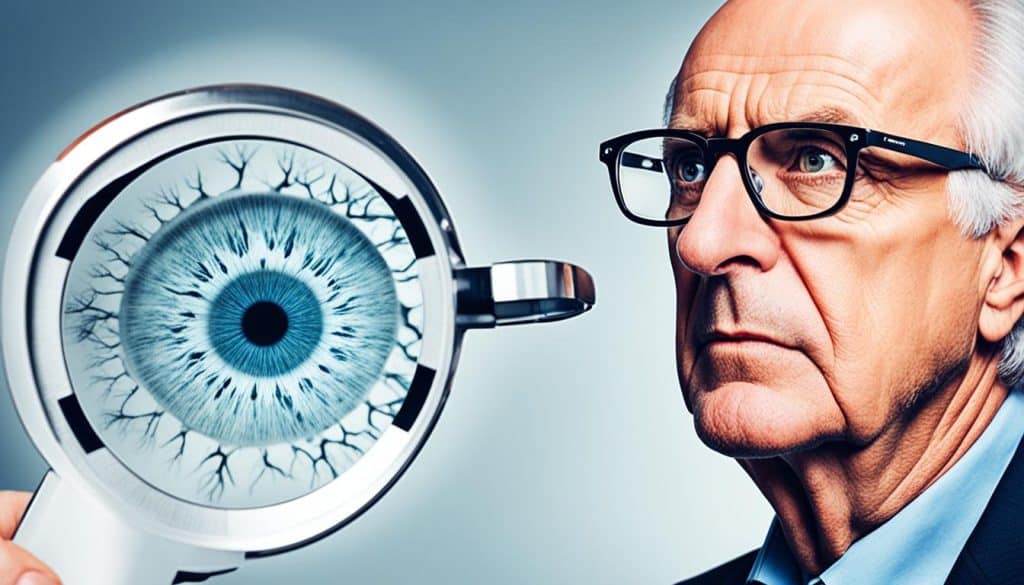
The Risk of Retinal Detachment and Other Serious Complications
After cataract surgery, serious complications are rare. But, retinal detachment is a risk. This happens when the retina at the back of your eye peels off. Knowing about these risks helps get timely treatment.
How to Identify Symptoms of Retinal Detachment
- Sudden appearance of floaters which are small shapes that float in your field of vision.
- Flashes of light in one or both eyes.
- Shadow or curtain-like effect across your vision field.
If you see these signs, get medical help fast. Retinal detachment is a serious complication that needs quick action.
Preventing Serious Complication After Cataract Surgery
Even though retinal detachment after cataract surgery is rare, you can lower the risk. Here are steps to help:
- Regular follow-up appointments with your ophthalmologist.
- Protecting your eyes from trauma or intense physical strain.
- Immediate consultation with your doctor if you notice changes in your vision.
Being careful with your eye health can greatly reduce the risk of complications. It also keeps the important parts at the back of your eye safe. Always talk to your ophthalmologist for advice that fits your health and condition.
Visual Disturbances: From Blurry Vision to Macular Edema
After cataract surgery, some patients see changes in their vision. Blurry vision after cataract surgery and macular edemaare common issues. Knowing about these can make recovery easier.
Addressing Blurred or Cloudy Vision After Surgery
Blurry vision might last a few days as your eye gets used to the new lens. But, if it doesn't go away, it could mean a problem with your field of vision. Always watch your vision closely and tell your eye doctor if things change a lot.
Insights into Postoperative Macular Edema
Macular edema is swelling in the eye's macular area. It can affect your central vision. This usually happens because of surgery inflammation and might need treatment to shrink the swelling and improve vision.
| Condition | Symptoms | Typical Onset Post-Surgery | Common Treatments |
|---|---|---|---|
| Blurry Vision | Clouded, blurry, or filmy vision | 1-3 days | Observation, Eye Drops |
| Macular Edema | Visual distortion, colors appear washed out | 1-4 weeks | Anti-inflammatory eye drops, Injections |
If you have vision problems after surgery, like blurry vision or signs of macular edema, get help right away. Quick action is important to protect your vision.
Problems Associated With Intraocular Lens (IOL) Implants
Many people get better vision with an intraocular lens (IOL) during cataract surgery. But, some might face complications that need more care from their cataract surgeon. It's key to know these issues since many people over 40 in the U.S. get this surgery.
The IOL replaces the cloudy lens in your eye. But, it can cause problems. These range from minor eye issues to serious problems that could affect your vision for a long time.
- Dislocation of the Lens: IOLs can move out of place. This happens if the capsule that holds the lens breaks during surgery or gets weak over time.
- Refractive Errors: Even though IOLs are chosen for each patient, they might not correct vision perfectly. This can mean you need glasses or more surgery.
- Lens Opacification: Cells might grow over the IOL, causing PCO. This can make your vision blurry again.
Your cataract surgeon knows how to handle these issues during check-ups after surgery. They make sure the IOL is in the right spot and working right.
It's important to see your surgeon if you have any eye problems or changes in vision after surgery. Knowing about the risks of IOLs helps you and your doctor make the best choices for your eyes.
Dealing with Dry Eyes and Other Discomforts
After cataract surgery, you might notice dry eyes. It's important to know why and how to fix it to help with recovery.
Understanding the Cause of Dry Eyes Post-Surgery
Surgery can change how your eyes work. Dry eyes can happen because of these changes and inflammation. But, you can manage this with the right care.
Solutions and Treatment for Dryness and Irritation
Eye drops can help with dry eyes. They make your eyes feel better and help them heal. Always follow your doctor's advice on caring for your eyes after surgery.
Also, try to avoid windy or very air-conditioned places. These can make dry eyes worse. Even though serious problems are rare, taking care of your eyes is important.
| Condition | Symptom | Treatment |
|---|---|---|
| Dry Eyes | Itchiness, Redness | Lubricating Eye Drops |
| Eye Irritation | Burning Sensation | Preservative-free Eye Drops |
| Inflammation | Swelling | Anti-inflammatory Medication |
Regular check-ups with your doctor are key. They help fix any eye issues after surgery. This keeps your recovery smooth and your eyes healthy.
Secondary Cataract: Understanding Posterior Capsule Opacification
If your vision gets blurry or cloudy after cataract surgery, you might have a secondary cataract, or posterior capsuleopacification (PCO). This issue is a complication after cataract surgery. It happens when the clear membrane at the back of your intraocular lens, the posterior capsule, gets thick or cloudy. This can make your vision seem like it's getting worse.
Why does this happen? During cataract surgery, your cloudy natural lens is replaced with an artificial one. But, the capsule that held your natural lens stays and can sometimes get milky or wrinkled. This can block your vision. Luckily, eye surgeons know how to fix this cataract surgery complication.
To fix it, you might need a quick, painless procedure called YAG laser capsulotomy. A laser makes a hole in the cloudy capsule, so you can see clearly again. The term “secondary” doesn't mean it's less important. Fixing surgery complications like PCO quickly helps you get the most out of your surgery. Most people see clearly again after this treatment. It's key to keep up with your eye doctor's appointments to check on your vision and catch any cataract surgery complications early.
FAQs
Q: What are some common cataract surgery complications?
A: Common cataract surgery complications include infection, swelling, bleeding, and retinal detachment. These complications can occur but are generally rare.
Q: What are potential cataract surgery side effects?
A: Some potential side effects of cataract surgery include blurry vision, dry eyes, and sensitivity to light. These side effects are usually temporary and improve over time.
Q: What are the risks of cataract surgery?
A: Cataract surgery is a safe procedure, but like any surgery, it carries some risks. These risks include infection, bleeding, and high eye pressure. It is important to discuss these risks with your surgeon.
Q: Why might I have blurry vision after cataract surgery?
A: Blurry vision after cataract surgery can be a temporary side effect as your eye heals. However, persistent blurry vision could indicate complications such as swelling or a lens that is not properly aligned.
Q: How can high eye pressure affect you after cataract surgery?
A: High eye pressure after cataract surgery can lead to glaucoma, an eye condition that damages the optic nerve. It's essential to monitor and manage eye pressure to avoid long-term damage.
Q: What are some risks and complications of cataract surgery?
A: Risks and complications of cataract surgery include infection, macular degeneration, and retinal detachment. Though complications are rare, they can have significant impacts on vision.
Q: How can you avoid cataract surgery complications?
A: To avoid cataract surgery complications, follow your surgeon's pre- and post-operative instructions carefully. Use prescribed medications, avoid strenuous activities, and wear sunglasses for a few months to protect your eyes.
Q: What should you do if you experience high eye pressure after cataract surgery?
A: If you experience high eye pressure after cataract surgery, contact your eye doctor immediately. They may prescribe medication or recommend treatments to lower the pressure in your eye and prevent damage.
Q: Are there any long-term side effects of cataract surgery?
A: While most people experience an improvement in their vision, some long-term side effects of cataract surgery can include changes in vision or the development of other eye conditions, such as macular degeneration.
Q: What is the recovery process like after cataract surgery?
A: The recovery process after cataract surgery typically involves using prescribed eye drops, avoiding strenuous activities, and protecting the eye during surgery from bright light. Most people can return to normal activities within a few weeks.
